Cedar is one of the most beautiful and durable natural building materials available. From cedar siding to cedar roofs, homeowners throughout Long Island, NY appreciate its warm appearance, natural resistance to insects, and long lifespan. However, many homeowners become concerned when their once-rich cedar begins turning gray, appearing dull, or showing signs of weathering.
The truth is that cedar aging is a natural process. Understanding the science behind cedar weathering can help you protect your investment and make informed decisions about maintenance and restoration. At Preferred Choice Cleaning Services, we help Long Island homeowners restore and preserve cedar surfaces so they continue to enhance their property’s beauty for years to come.
Why Cedar Changes Color Over Time
Fresh cedar contains natural oils and compounds that give the wood its distinctive color and resistance to decay. When cedar is first installed, it typically displays warm tones ranging from reddish-brown to honey gold.
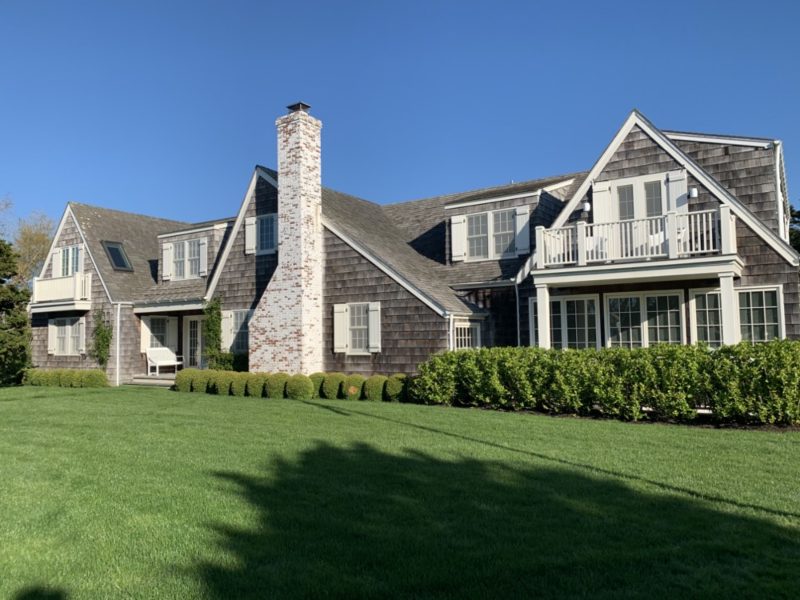
Over time, exposure to sunlight causes ultraviolet (UV) rays to break down lignin, a natural substance that helps bind wood fibers together. As lignin deteriorates, the surface begins to lose its original color and develops a silvery-gray appearance.
This process is often called “weathering” and occurs on virtually all untreated cedar surfaces exposed to the elements.
While the gray color itself is not necessarily harmful, it signals that the wood has been exposed to environmental stressors that may eventually affect its condition if left untreated.
The Role of Moisture in Cedar Aging
Sunlight is only part of the story. Moisture plays a major role in how cedar ages.
Long Island’s coastal climate exposes cedar surfaces to:
- Rain and snow
- Humidity
- Salt air
- Morning dew
- Seasonal temperature fluctuations
As cedar absorbs and releases moisture, it naturally expands and contracts. This movement can create small surface cracks and openings that allow additional moisture to penetrate the wood.
Over time, excessive moisture can contribute to:
- Surface deterioration
- Mold and mildew growth
- Algae buildup
- Wood rot
- Premature aging
When combined with UV exposure, moisture accelerates the weathering process and can make cedar appear older than it actually is.
Why Some Cedar Ages Unevenly
Many homeowners notice that certain sections of their cedar siding or roof weather faster than others.
Several factors influence uneven aging:
Sun Exposure
South-facing surfaces often receive the most direct sunlight and typically fade more quickly.
Shade
Areas under trees or near landscaping may retain moisture longer, encouraging algae, mildew, and discoloration.
Airflow
Poor ventilation can trap moisture against cedar surfaces and increase deterioration.
Environmental Debris
Leaves, dirt, pollen, and organic matter can accumulate on cedar and create conditions that promote staining and biological growth.
These factors explain why one section of a cedar roof may look significantly different from another.
Natural Aging vs. Damage
Not all weathered cedar is damaged cedar.
Natural aging often includes:
- Silver-gray coloring
- Mild surface texture changes
- Slight fading
However, homeowners should watch for signs of more serious problems, including:
- Deep cracks
- Soft or spongy wood
- Rotting sections
- Persistent mold growth
- Missing or damaged shingles
- Significant splitting
When these issues appear, professional restoration may be necessary to prevent further deterioration.
How Cedar Restoration Reverses the Effects of Weathering
The good news is that weathered cedar can often be restored rather than replaced.
Professional cedar restoration focuses on safely removing contaminants and restoring the wood’s natural appearance without causing damage.
The process may include:
- Gentle cleaning
- Removal of mold, mildew, and algae
- Surface brightening treatments
- Wood conditioning
- Protective sealing or staining
Unlike aggressive pressure washing, professional cedar restoration techniques are designed to preserve delicate wood fibers while improving appearance and longevity.
Many homeowners are surprised by how dramatically restored cedar can transform the look of their home.
Why Long Island Homeowners Shouldn’t Wait Too Long
Because Long Island experiences a mix of coastal moisture, strong sunlight, winter storms, and seasonal humidity, cedar surfaces face year-round environmental challenges.
Allowing cedar to weather unchecked can lead to:
- Increased maintenance costs
- Reduced curb appeal
- Shortened lifespan of siding and roofing materials
- Greater risk of moisture-related damage
Routine inspections and periodic restoration help preserve both the beauty and structural integrity of cedar surfaces.
Your Guide to Protecting Cedar for the Long Term
As a homeowner, you want your cedar siding or roof to remain beautiful and functional for decades. The challenge is understanding when natural aging becomes a maintenance concern.
That’s where Preferred Choice Cleaning Services can help.
Serving Long Island, NY, our team specializes in professional cedar restoration solutions designed to safely clean, restore, and protect cedar surfaces. By addressing weathering early, homeowners can extend the life of their cedar while maintaining the natural beauty that makes this material so desirable.
When properly maintained, cedar can continue to provide exceptional performance and timeless curb appeal for many years to come.