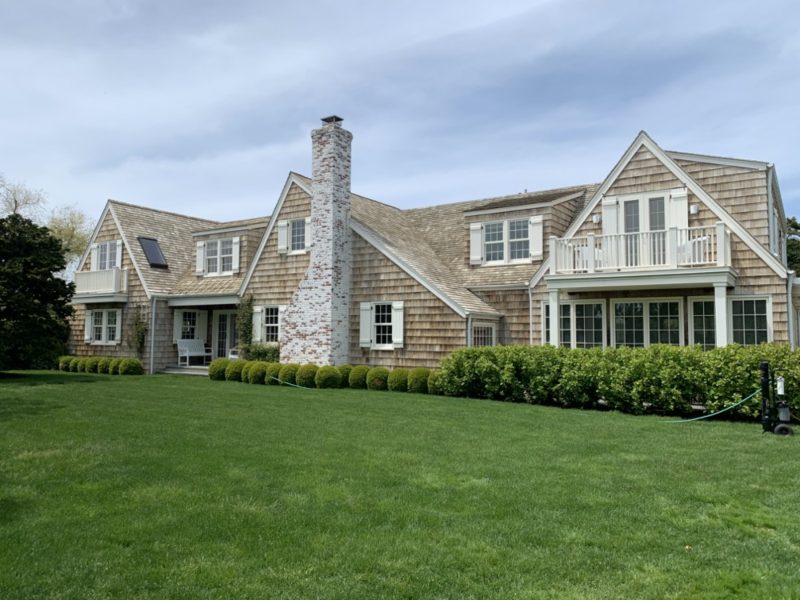
Cedar is one of the most attractive and durable exterior materials a homeowner in Long Island, NY can choose. Whether it’s cedar siding, cedar shingles, or a cedar roof, the natural warmth and texture of the wood add timeless curb appeal. But Long Island’s coastal weather—salt air, humidity, heavy rain, winter snow, and strong sun—creates constant stress on cedar surfaces.
Without routine care, cedar can fade, gray, crack, or even begin to rot. The good news is that proper maintenance doesn’t have to be complicated. With the right checklist and professional support from Preferred Choice Cleaning Services, homeowners can protect their cedar investment for decades.
The Homeowner’s Problem: Cedar Doesn’t Maintain Itself
Many homeowners assume cedar is “set it and forget it” material. While cedar is naturally resistant to insects and decay, it is still vulnerable to environmental damage.
On Long Island, cedar is exposed to:
- Intense UV sunlight in summer
- Moisture from rain, snow, and humidity
- Salt carried through coastal air
- Organic buildup like mold, mildew, and algae
- Seasonal temperature swings that cause expansion and contraction
Over time, these elements break down cedar’s surface fibers and protective oils. That’s when homeowners begin to notice discoloration, gray fading, or rough texture.
The key is consistent maintenance before small issues become costly repairs.
The Cedar Maintenance Checklist for Long Island Homes
This checklist helps homeowners stay ahead of damage and preserve the natural beauty of cedar siding and roofs.
Perform Seasonal Visual Inspections
At least twice per year—ideally in spring and fall—walk around your home and inspect all cedar surfaces.
Look for:
- Dark streaks or staining
- Green or black mold spots
- Cracked or splitting boards
- Warping or soft wood
- Areas where color fades unevenly
Catching these signs early prevents more serious structural damage and helps determine whether cleaning or restoration is needed.
Remove Surface Debris Regularly
Leaves, dirt, and pollen can trap moisture against cedar surfaces. When moisture sits too long, it accelerates mold growth and wood deterioration.
Homeowners should:
- Gently brush off debris from siding
- Keep roof valleys clear
- Trim overhanging branches when possible
- Prevent buildup in shaded areas
Clean surfaces to allow cedar to breathe and dry naturally.
Monitor Moisture Exposure
Moisture is one of the biggest threats to cedar in Long Island’s coastal environment.
Check for:
- Water stains or streaking
- Persistent damp areas after rain
- Poor drainage near siding
- Overflowing gutters
Clogged or malfunctioning gutters can send water directly onto cedar surfaces, speeding up deterioration. Ensuring proper drainage is essential for long-term protection.
Schedule Professional Soft Washing
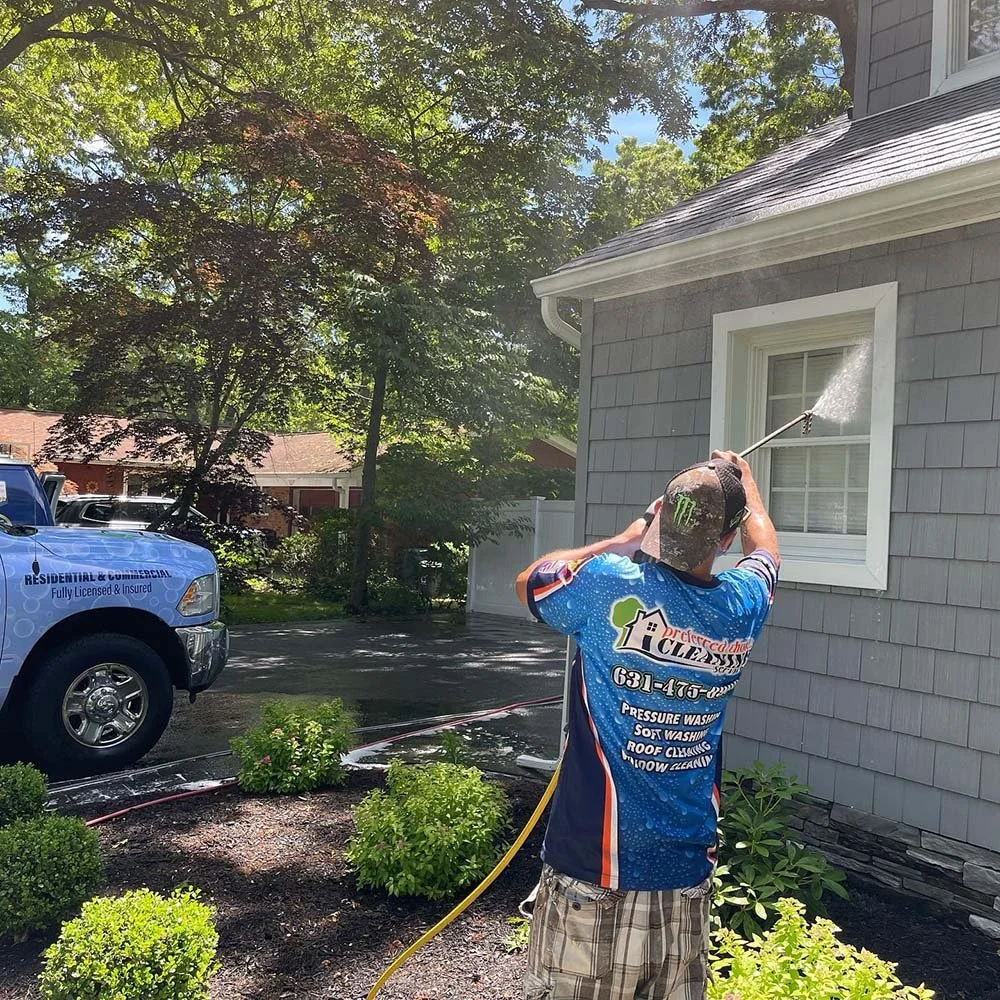
Unlike pressure washing, which can damage cedar fibers, professional soft washing uses low-pressure techniques and specialized solutions to safely remove:
- Mold
- Mildew
- Algae
- Environmental grime
For Long Island homes, this step is critical because humidity and salt air encourage rapid biological growth on cedar surfaces.
Preferred Choice Cleaning Services uses methods designed specifically for delicate wood surfaces, helping restore appearance without causing damage.
Check for UV and Color Fading
Cedar naturally fades to gray over time due to UV exposure. While this is a normal process, excessive fading can indicate the need for restoration or sealing.
Watch for:
- Uneven coloration
- Dry or brittle surface texture
- Loss of natural cedar tone
Protective treatments can help slow UV damage and preserve cedar’s warm appearance.
Plan Routine Cedar Restoration
Every few years, cedar may need more than cleaning—it may require full restoration.
Restoration typically includes:
- Deep cleaning to remove embedded contaminants
- Brightening treatments to restore natural wood tone
- Repair of surface damage
- Application of protective finishes or stains
This process helps extend the life of cedar siding and roofing while improving curb appeal.
Protect with Proper Sealing or Staining
Sealing or staining cedar adds a protective barrier against moisture and UV rays.
Benefits include:
- Reduced water absorption
- Slower weathering and fading
- Improved resistance to mold and mildew
- Enhanced color and natural beauty
Choosing the right product and timing is important, especially in a coastal environment like Long Island.
The Guide: Why Professional Care Matters
Homeowners don’t need to handle cedar maintenance alone. The biggest mistake is waiting until visible damage appears.
At Preferred Choice Cleaning Services, we help Long Island homeowners protect their cedar through professional cleaning and restoration services designed specifically for coastal conditions. Our process focuses on preserving wood integrity while restoring natural beauty safely and effectively.
Whether it’s routine maintenance or full cedar restoration, our goal is to extend the life of your home’s exterior and protect your investment.
The Success: A Beautiful, Long-Lasting Cedar Exterior
When cedar is properly maintained, homeowners enjoy:
- Rich, natural wood color
- Stronger resistance to weather damage
- Reduced risk of rot and decay
- Improved home value and curb appeal
- A cleaner, more refined exterior appearance
Routine maintenance keeps cedar looking like a premium architectural feature instead of a weathered surface.
With consistent care and professional support from Preferred Choice Cleaning Services, Long Island homeowners can ensure their cedar siding and roofing remain strong, beautiful, and protected for years to come.