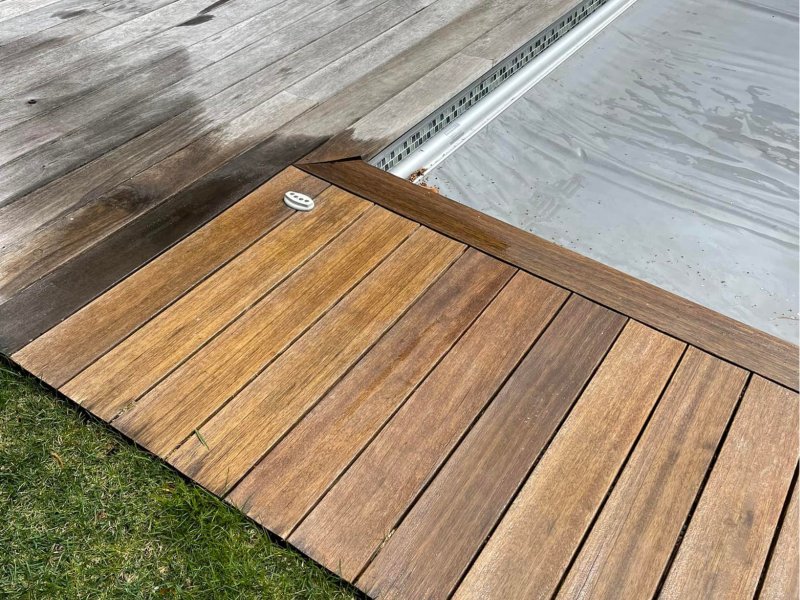

You love the warm, natural look of cedar—until the streaks, gray weathering, and mildew make it look tired. The internet is full of “fix-it” tips that sound convincing but can actually shorten the life of your wood. However, here’s a clear guide that cuts through the noise and shows how Preferred Choice Cleaning helps homeowners make smart, lasting cedar-restoration choices.
The Problem (What the Homeowner Feels)
Homeowners are confused. Some people say never pressure wash cedar. Others insist any stain will protect cedar forever. Lots of DIY advice skips important prep steps or recommends harsh chemicals that damage wood or void warranties. That confusion leads to fear: Is my siding ruined? Will my next renovation cost a fortune?
The Truth People Need to Hear (Myths Debunked)
Myth 1 — “Pressure washing always ruins cedar.”
Reality: Pressure washing can damage cedar if done with too much PSI, the wrong nozzle, or at the wrong angle—but when a trained pro uses the right low-pressure methods and technique, it’s often the best first step to remove mildew, dirt, and loose fibers before refinishing. Done correctly, pressure cleaning uncovers recoverable wood rather than harming it.
Myth 2 — “Once you stain cedar, you’re done for years.”
Reality: Stains, especially semi-transparent ones, protect and look beautiful, but they don’t last forever. How often you need to restain depends on the product and exposure—many cedar sidings require refinishing every few years to stay protected and attractive. Regular inspection and maintenance beat neglect.
Myth 3 — “Bleach will ruin cedar — don’t ever use it.”
Reality: Oxygen-based bleaches and oxalic acid are commonly used to brighten and remove tannin stains and mildew without the harshness of chlorine bleach. When used correctly, these cleaners restore color and prepare wood for staining. It’s not “no bleach ever” — it’s “use the right cleaner, at the right concentration, by someone who knows wood.”
Myth 4 — “If there’s a little rot or insect damage, the whole board must be replaced.”
Reality: Small areas of decay or insect activity can often be treated or repaired. According to our friends at Perma-Chink Systems, Borate-based treatments are a proven preservative that helps prevent rot and wood-destroying insects when applied correctly. That said, advanced rot does require replacement—so correct diagnosis matters.
Myth 5 — “Painting or staining old cedar is just slap-and-go.”
Reality: Cedar needs careful preparation—cleaning, drying, sometimes light sanding, and proper priming—especially if you’re painting. Skipping prep leads to peeling, blotchy finishes, and a shorter lifespan for your new coating.
How Preferred Choice Cleaning Helps (Your Guide + Plan)
At Preferred Choice Cleaning, we don’t sell drama—we sell results. Our team follows a simple, proven plan:
- Inspect — We assess the condition of the cedar: finish type, weathering, and any rot or insect indicators.
- Clean safely — If cleaning is the right first step, we use low-pressure washing and wood-safe cleaners (oxygen bleach, oxalic acid where appropriate) to remove mildew, tannin stains, and grime without stripping the wood.
- Treat & repair — For small decay or pest pressure, we apply borate-preservative treatments and repair minor damage. For advanced rot, we’ll recommend replacement of affected boards.
- Prep & finish — We make sure wood is fully dried and prepped, then apply the right stain or paint system—priming where required—to give you long-lasting protection.
This step-by-step plan keeps you from costly mistakes like over-pressure washing, skipping preservative treatments, or applying finishes to dirty or damp wood.
Simple Decisions You Can Make Today
- If your cedar is gray and rough-looking, it might respond well to a professional clean and brightening—not an immediate replacement.
- If you see soft, crumbling wood or active insect tunnels, prioritize inspection and treatment.
- If you’re planning to refinish, budget for proper cleaning and drying; paint or stain over contaminated or wet wood fails fast.
Treat Your Cedar With Respect
You don’t need to figure this out alone. Reach out to Preferred Choice Cleaning for a no-nonsense inspection and an honest plan. We’ll tell you what will restore your cedar and what would be wasteful—no pressure, just expertise.
Cedar is resilient and beautiful when treated with respect. Ignore the extremes you read online. With the right approach—careful cleaning, targeted treatments, and proper prep—your cedar can look great for years. Preferred Choice Cleaning will help you separate fact from fiction and protect your investment.