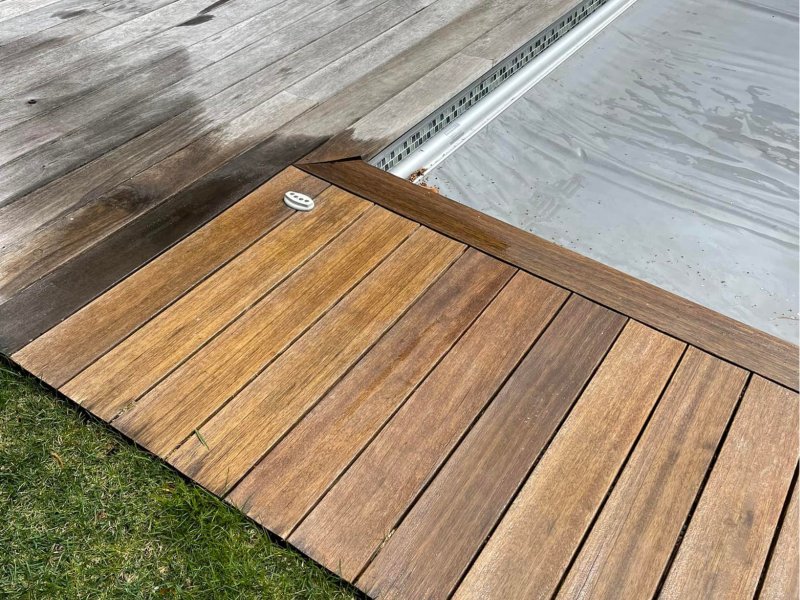
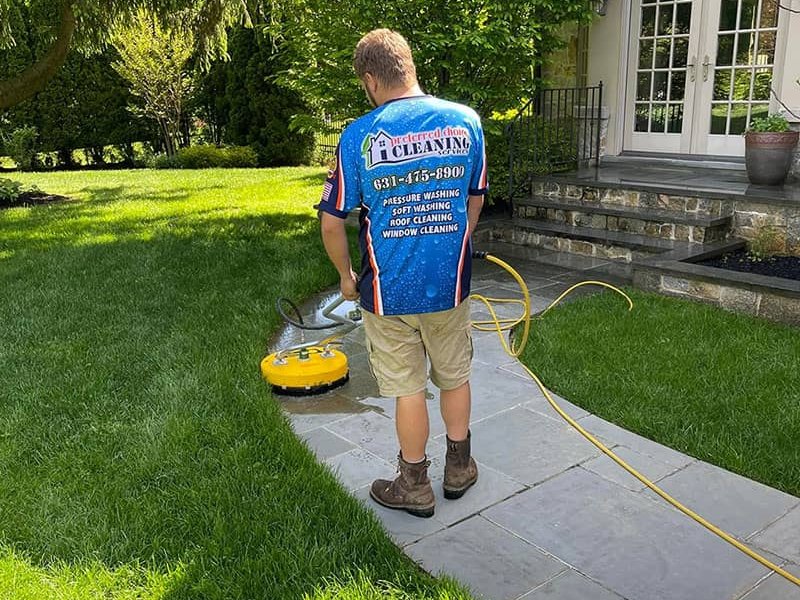
You want your Long Island home to look its best—salt air, pollen, and coastal grime not included. But if you’ve never prepped for a professional power wash, it’s easy to worry about water getting behind siding, plants getting singed by soap, or outlets getting soaked. Preferred Choice Cleaning Services is here to be your guide so the day goes smoothly and your results shine.
Why prep matters (and what’s different on Long Island)
Our coastal climate brings wind-blown sand, sea-salt spray, spring pollen, and leaf litter—each clings to siding and stone differently. The right prep helps your technician clean deeper, faster, and more safely, while protecting landscaping and fixtures. For timing, many Long Island properties see the best results in late spring to early summer (after peak pollen) and again after fall leaf drop, when temperatures are moderate and surfaces dry predictably.
Your simple prep plan
1) Do a quick “materials check”
Walk your exterior and note what you have: vinyl, painted wood, brick, stucco, composite decking, or fiber-cement (e.g., James Hardie). Why it matters: Different materials need different pressures and angles. For example, James Hardie specifically advises against high-pressure power washing; low-pressure rinsing and soft brushing are preferred. Tell your technician if you have fiber-cement so we can choose a low-pressure soft-wash approach.
For vinyl siding, routine cleaning with mild soap and water is often enough; professionals combine that with controlled pressure and the correct nozzle to avoid forcing water behind panels.
Pro note: If you’ve got a mix of surfaces, we’ll adjust PSI and nozzles per area—gentle for siding and wood, more force for concrete—so nothing is etched or lifted. Mainstream guidance echoes this “match the pressure to the surface” rule and favors wider spray tips (25°–40°) for home exteriors.
2) Protect what you love (plants, pets, and paint)
- Landscaping: Water your plants the evening before so leaves are hydrated and less likely to absorb soap; on wash day, we’ll drape breathable covers over delicate beds and rinse them before and after. Keeping detergents and rinse water out of storm drains protects our bays and wetlands—an EPA best practice we follow on every job.
- Outdoor décor: Move cushions, doormats, flags, and grills away from the house. If something’s too heavy (like big planters), just point it out and we’ll shift or shield it for you.
- Paint and sealers: Tell us if you have newly painted areas or freshly sealed decks; cure times matter and may affect scheduling.
3) Button up the building envelope
- Close and lock windows & doors. Check the weatherstripping where you’ve had leaks.
- Seal known gaps: If you’re aware of open weep holes, loose siding, or missing caulk, let us know; we’ll adjust technique and spray angles to prevent intrusion.
- Cover exterior outlets & fixtures: On Long Island, outdoor receptacles should have in-use, weatherproof covers and GFCI protection. If a cover is missing or an outlet doesn’t look weather-rated, show us so we can avoid it or tape it off. Moisture in outlets can create a shock hazard—safety first.
4) Clear the work zone
- Driveways & access: Move vehicles out of the spray path. If we’re cleaning the driveway, clear it entirely.
- Fencing & gates: Unlock side gates so we can reach hose bibs and backyard surfaces.
- Pets & people: Keep pets indoors and plan to use a different entry during the service window.
5) Water and drainage check
- Test your hose bibs the day before to confirm good flow and no leaking shut-offs.
- Know your drainage: We minimize run-off and never direct wash water laden with cleaners into storm drains, which flow to local waterways. If your property has tricky grading, we’ll set containment or redirect flow. (This aligns with EPA guidance to keep cleaners and pollutants out of storm systems.)
What Preferred Choice will handle for you
- Surface-specific methods: We use soft-wash detergents and low pressure on siding and trim, reserving higher pressure for tough masonry when appropriate—never on fiber-cement and other delicate finishes.
- Plant and property protection: Pre-wetting, covering, and post-rinsing vegetation; shielding fixtures; using controlled spray angles to avoid forcing water behind cladding.
- Weather-smart scheduling: We aim for mild, overcast days so solutions don’t flash-dry or blow back in coastal winds—one more reason late spring/early summer and post-leaf-fall slots are popular on Long Island.
- Electrical awareness: We avoid unprotected outlets, confirm GFCI where visible, and keep equipment and ladders clear of overhead lines.
The night-before & day-of checklist
Night before
- Water plants near the home and bring in cushions/ décor.
- Close windows, check that outlet covers are shut, and test hose bibs.
- Move cars to the street if we’re cleaning the driveway.
Day of service
- Keep pets and kids inside.
- Open gates; point out any “known issues” (loose siding, leaky windows).
- We’ll walk the property with you, confirm the plan, and set expectations for drying time and access.
Aftercare: lock in that just-cleaned look
- Let surfaces dry fully before rehanging décor.
- Note any areas that may need touch-up caulk or paint now that the surface is clean.
- Ask us about a maintenance cadence. Many Long Island homes benefit from annual siding cleaning and seasonal hard-surface rinses to tackle salt, pollen, and leaf stains before they set.
Ready to see your home sparkle?
When you prepare—and we tailor our method—you get safer service, longer-lasting results, and picture-perfect curb appeal. Preferred Choice Cleaning Services serves homeowners across Long Island, NY with plant-safe chemistry, material-specific techniques, and coastal-smart scheduling.